


-

Add: HeBei ShengShi HongBang Cellulose Technology CO.,LTD.
-

Email
13180486930@163.com -

CONTACT US
+86 13180486930
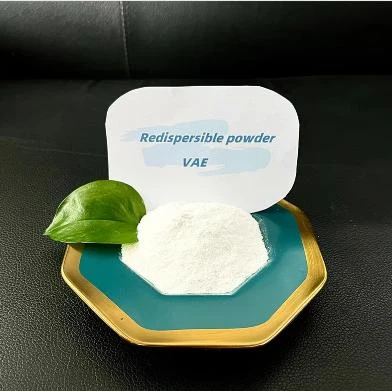
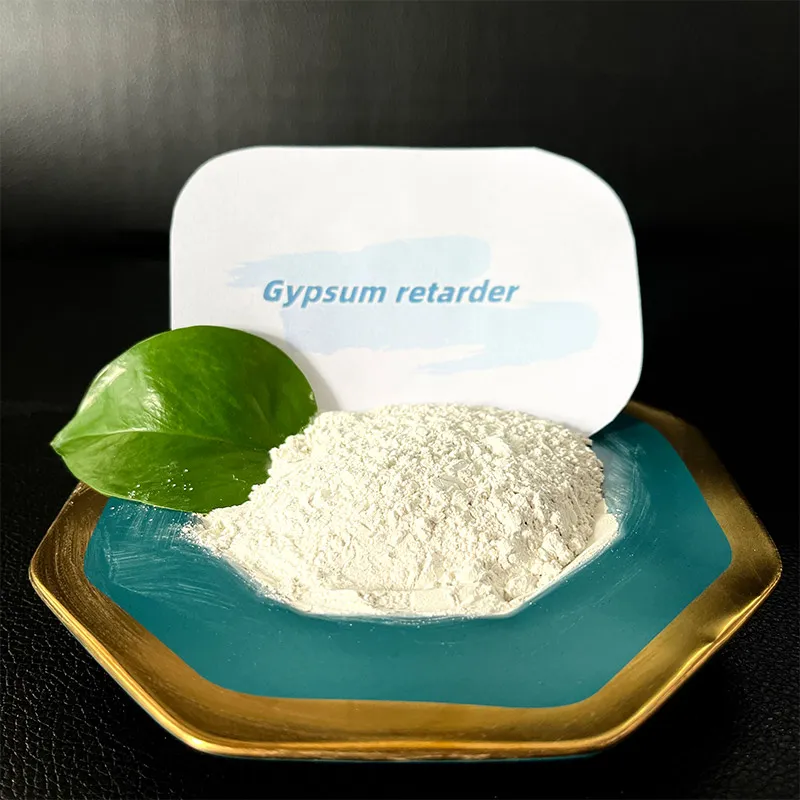


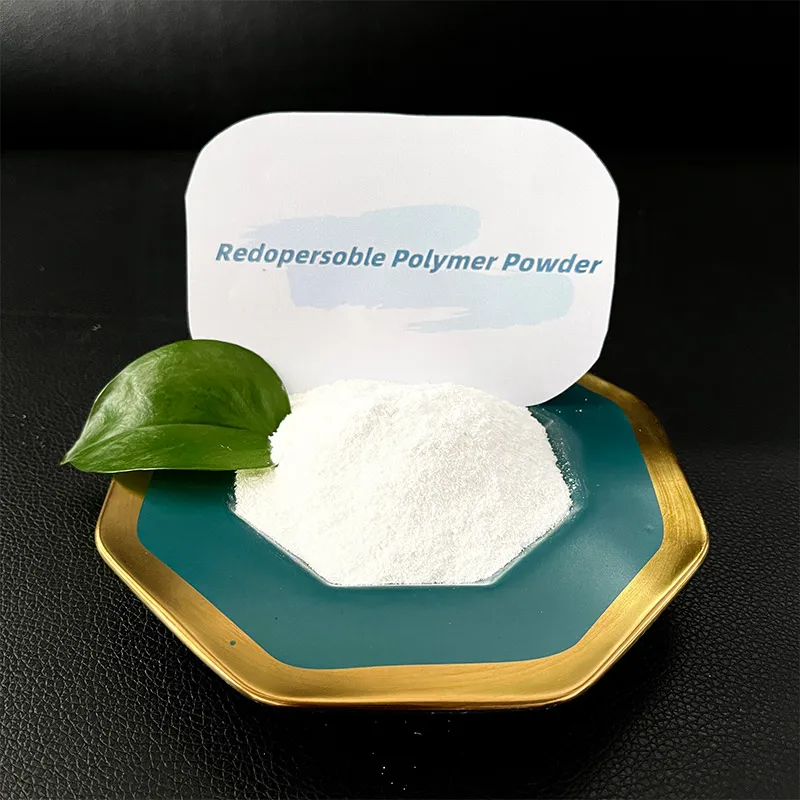
Understanding Redispersible Emulsion Powder: A B2B Perspective In the realm of modern construction and advanced material science, redispersible emulsion powder stands as a cornerstone additive, revolutionizing the performance of dry-mix mortars. This versatile polymer powder, primarily derived from vinyl acetate-ethylene (VAE) copolymers, transforms conventional building materials by enhancing their key properties. Its unique ability to re-emulsify upon contact with water allows it to function as a binding agent within cementitious and gypsum-based formulations, significantly improving adhesion, flexibility, water resistance, and overall durability. For B2B decision-makers and technical engineers, comprehending the intricacies of this material is crucial for optimizing product formulations, ensuring project longevity, and meeting stringent industry standards across diverse applications. Detailed Manufacturing Process of Redispersible Emulsion Powder The production of redispersible emulsion powder is a sophisticated chemical engineering process designed to encapsulate liquid polymer emulsions into a stable, free-flowing powder. This process ensures that the polymer retains its performance characteristics when re-dispersed in water at the point of application. The core materials typically include a liquid polymer emulsion (e.g., VAE emulsion), protective colloids (like polyvinyl alcohol), and anti-caking agents. Process Flow Schematic: 1. Emulsion Polymerization: This initial stage involves the polymerization of monomers (e.g., vinyl acetate and ethylene) in an aqueous medium to form a stable polymer emulsion. Specific catalysts, emulsifiers, and stabilizers are used to control the reaction and ensure desired polymer properties, such as glass transition temperature (Tg) and particle size. 2. Addition of Protective Colloids and Additives: The liquid polymer emulsion is then mixed with protective colloids (e.g., polyvinyl alcohol, cellulose ethers) and other functional additives. These colloids prevent irreversible agglomeration during the subsequent drying process and enable the powder's redispersibility. 3. Spray Drying: This is the most critical step. The prepared emulsion mixture is atomized into a fine mist within a hot air chamber. Rapid evaporation of water leaves behind solid polymer particles encapsulated by the protective colloid, forming a fine, spherical powder. The spray drying parameters (temperature, flow rate, nozzle type) are meticulously controlled to ensure optimal particle morphology and redispersibility. 4. Post-Treatment and Anti-Caking: After spray drying, the powder may undergo further processing, such as cooling. Anti-caking agents (e.g., mineral fillers like calcium carbonate or silicates) are then added to prevent the powder from clumping together during storage and transportation, ensuring its free-flowing nature. 5. Packaging: The final redispersible powder is typically packed in multi-ply paper bags with internal polyethylene liners to protect it from moisture and ensure a long shelf life. Testing Standards: Throughout this process, stringent quality control measures are applied, adhering to international standards such as ISO 9001 for quality management systems. Specific product performance is often evaluated against standards like EN 1504 (for concrete repair products), ASTM C1101 (for dry-mix base coat), and various national standards for bond strength, water retention, flexibility, and impact resistance. These tests ensure the product meets the demanding requirements of various target industries. Target Industries and Service Life: Redispersible latex powder finds extensive use in the construction industry, including infrastructure projects (bridges, tunnels), residential and commercial buildings, and specialized applications like external insulation and finish systems (EIFS), tile adhesives, self-leveling compounds, and repair mortars. The use of high-quality polymer powder significantly extends the service life of these applications by imparting superior adhesion, crack resistance, and durability, often contributing to design lives exceeding 25-50 years for structural elements when properly formulated. Advantages in Typical Application Scenarios: In an EIFS application, for instance, a VAE redispersible emulsion powder enhances the bond between insulation boards and the substrate, improves the flexibility of the base coat to resist thermal stress, and contributes to the system's overall water repellency, leading to energy saving benefits and superior corrosion resistance for the building envelope. Figure 1: Schematic of the Redispersible Emulsion Powder Manufacturing Process. Industry Trends and Market Dynamics for Redispersible Emulsion Powder The global market for redispersible emulsion powder is experiencing robust growth, driven by several key macro and micro-economic factors. Increasing urbanization, particularly in emerging economies, fuels demand for new construction and infrastructure development. Concurrently, a heightened focus on sustainable and green building practices is compelling manufacturers to develop environmentally friendly and high-performance building materials. This trend favors products that improve durability and extend the lifespan of structures, thereby reducing the environmental impact associated with frequent repairs and replacements. Technological advancements are leading to the development of specialized vae redispersible powder with enhanced functionalities, such as improved hydrophobic properties, higher flexibility at low temperatures, and superior open time for tile adhesives. The push for pre-mixed, factory-controlled dry mortars is also a significant trend, as these products offer consistent quality, reduced on-site labor, and minimized material waste. Geographically, Asia-Pacific remains the largest and fastest-growing market due to massive construction activities, while stringent building codes in Europe and North America continue to drive demand for high-performance additives. Figure 2: Global Growth Trends in Construction Additives. Technical Specifications: Redispersible Powder VAE Our Redispersible Powder VAE is engineered to meet rigorous performance requirements across a spectrum of construction applications. Understanding the technical parameters is essential for precise formulation and optimal end-product performance. Below are typical specifications for a high-quality VAE redispersible emulsion powder : Typical Specifications for Redispersible Powder VAE Parameter Unit Typical Value Test Method / Standard Appearance - White, free-flowing powder Visual Inspection Solid Content % ≥ 98.0 ISO 3251 Ash Content % 8.0 - 12.0 DIN 53185 Bulk Density g/L 450 - 650 DIN EN 12351 Particle Size (<250 μm) % ≥ 98.0 EN 12190 Glass Transition Temperature (Tg) °C 0 to +15 (adjustable) DSC (ASTM D3418) Minimum Film Forming Temperature (MFFT) °C 0 ISO 2115 pH Value (10% solution) - 7.0 - 9.0 Electrode Method Viscosity (10% solution) mPa·s 50 - 200 Brookfield Viscometer These parameters directly influence the performance characteristics such as adhesion strength, flexibility, water resistance, and workability of the final dry-mix mortar. For example, a lower Glass Transition Temperature (Tg) generally indicates higher flexibility, making the polymer powder suitable for applications requiring deformation resistance, such as tile adhesives on challenging substrates. Application Scenarios and Technical Advantages The versatility of redispersible emulsion powder allows its integration into a wide array of construction applications, each benefiting from its unique polymer-modified properties. This section highlights typical usage scenarios and the specific technical advantages imparted. Tile Adhesives (C1/C2 Grades): Incorporating redispersible latex powder significantly boosts the bond strength to various substrates (concrete, plasterboard, existing tiles), improves flexibility to accommodate thermal and structural movements, and enhances water resistance, making it ideal for wet areas and external applications. This leads to reduced tile cracking and delamination, extending the service life of tiled surfaces. External Thermal Insulation Composite Systems (ETICS/EIFS): As a critical component in base coats and renders, vae redispersible powder provides excellent adhesion to insulation boards (EPS, mineral wool), improves impact resistance, and imparts crucial flexibility to prevent cracking due to temperature fluctuations. Its hydrophobic characteristics also reduce water absorption, thereby enhancing the system's thermal performance and longevity. Self-Leveling Compounds (SLCs): In SLCs, polymer powder contributes to superior flow properties, allowing for a perfectly smooth and level surface without extensive manual labor. It also increases abrasion resistance, reduces shrinkage, and improves the bond to the subfloor, creating a durable base for various floor coverings. Wall Putties and Skim Coats: Enhances adhesion to diverse substrates, improves workability for smoother application, and increases the hardness and crack resistance of the final surface, preparing it ideally for painting or decorative finishes. Repair Mortars: Crucial for restoring structural integrity, redispersible emulsion powder improves the bond between old and new concrete, enhances compressive and flexural strength, and significantly increases resistance to carbonation and chloride ingress, extending the repair's effectiveness and preventing further degradation. The technical advantages of integrating this specialized redispersible powder include superior adhesion, improved flexural strength, enhanced water repellency, better freeze-thaw stability, increased abrasion resistance, and improved workability and open time for applicators. These benefits translate directly into higher quality construction, reduced maintenance costs, and prolonged structural integrity. Figure 3: Redispersible Emulsion Powder improving adhesion in construction. Vendor Comparison and Customized Solutions Selecting the right supplier for redispersible emulsion powder is paramount for maintaining consistent product quality and ensuring project success. While many vendors offer similar products, differentiation lies in product consistency, technical support, R&D capabilities, and the ability to provide customized solutions. When evaluating potential partners, B2B clients should consider more than just price per kilogram. Comparison of Key Vendor Attributes for Redispersible Emulsion Powder Attribute Standard Vendor Premium/Specialized Vendor Product Consistency Acceptable, with minor batch variations. Highly consistent, stringent QC, tight specification ranges. Technical Support Basic datasheets, limited formulation guidance. Dedicated technical team, on-site support, in-depth formulation advice. Customization Options Limited to standard grades. Extensive R&D, tailored solutions for specific application needs. Certifications ISO 9001 (basic). ISO 9001, ISO 14001, relevant product-specific certifications (e.g., CE, REACH compliance). Lead Time & Logistics Standard lead times, basic shipping. Optimized supply chain, flexible delivery, global distribution network. Customized Solutions: Tailoring Redispersible Powder for Specific Needs The ability to provide customized polymer powder formulations is a hallmark of a leading manufacturer. Customization can involve fine-tuning parameters such as: Glass Transition Temperature (Tg): Adjusting Tg to impart specific flexibility or hardness characteristics for different climatic conditions or substrate types. Particle Size Distribution: Optimizing for specific application needs, such as improved rheology for self-leveling compounds or better open time for tile adhesives. Hydrophobicity: Enhancing water repellency for waterproofing membranes or external renders. Additive Integration: Incorporating specialized additives during the manufacturing process to confer properties like improved freeze-thaw resistance or enhanced adhesion to challenging, non-absorbent substrates. Our company, with extensive years of service and an ISO 9001 certified manufacturing facility, prides itself on working closely with clients to develop tailored redispersible emulsion powder solutions that perfectly match their unique product requirements and market demands. Our authoritative testing methods and robust R&D ensure that custom formulations meet the highest performance and reliability standards. Figure 4: Customization in polymer powder manufacturing. Application Case Studies: Real-World Performance The efficacy of redispersible emulsion powder is best demonstrated through its successful implementation in demanding construction projects. These case studies highlight the tangible benefits and superior performance delivered. Case Study 1: High-Performance Tile Adhesive for a Luxury Hotel A leading hospitality group required a robust tile adhesive for the extensive tiling of a new luxury hotel, including high-traffic lobbies, bathrooms, and a spa area. The project demanded exceptional bond strength, flexibility to accommodate structural shifts, and high water resistance. Our customized VAE redispersible emulsion powder was integrated into a C2TES1 grade tile adhesive formulation. Post-application, tests confirmed a bond strength exceeding 1.5 N/mm² (far exceeding the C2 requirement of 1.0 N/mm²) and excellent deformability (S1 classification), ensuring zero tile detachment or cracking after over three years of intensive use. Customer feedback praised the product's consistent workability and the long-term integrity of the tiled surfaces. Case Study 2: ETICS for a Large-Scale Residential Complex in a Harsh Climate In a large residential complex situated in a region experiencing extreme temperature fluctuations (from -20°C to +40°C), an ETICS solution was critical for energy efficiency and façade protection. Our specialized hydrophobic redispersible powder was used in both the adhesive and base coat layers of the ETICS. After five years, the façade demonstrated exceptional resistance to freeze-thaw cycles, no visible cracks or delamination, and significantly reduced thermal bridging, leading to verified energy savings of approximately 25% for residents. This project underscores the durability and energy-saving potential of high-quality polymer-modified systems. Case Study 3: Concrete Repair Mortar for Industrial Flooring An automotive manufacturing plant required urgent repair of its heavily trafficked concrete flooring, which was subject to chemical spills and heavy machinery loads. A rapid-setting, high-strength repair mortar, formulated with our specific grade of redispersible emulsion powder , was chosen. The mortar achieved early strength development, allowing the factory to resume operations quickly. After two years, the repaired areas show no signs of degradation, cracking, or loss of adhesion, even under continuous industrial stress. This demonstrates the superior mechanical properties and long-term resilience imparted by our advanced polymer additives. Figure 5: Enhanced concrete durability with Redispersible Emulsion Powder. Trust & Support: FAQ, Lead Time, Warranty & Customer Service Frequently Asked Questions (FAQ) Q: What is the primary function of redispersible emulsion powder in dry-mix mortars? A: Its primary function is to enhance adhesion, flexibility, water resistance, cohesion, and workability of dry-mix mortars upon re-dispersion in water, acting as an organic binder. Q: How should redispersible powder be stored? A: It should be stored in its original, unopened packaging in a cool, dry place, protected from direct sunlight and moisture. Ideal temperature is below 30°C. Shelf life is typically 12 months under these conditions. Q: Can your VAE redispersible powder be customized for specific applications? A: Yes, absolutely. We offer extensive R&D capabilities to tailor parameters such as Tg, particle size, and hydrophobicity to meet unique formulation requirements and performance objectives. Q: Is your product environmentally friendly? A: Our VAE redispersible emulsion powder contributes to sustainable construction by enhancing durability and longevity of materials, reducing the need for frequent repairs and waste. We adhere to stringent environmental standards in our manufacturing processes. Lead Time & Fulfillment We maintain robust production capacities and an efficient supply chain to ensure timely delivery. Standard lead times for our redispersible powder products typically range from 7 to 14 business days, depending on order volume and destination. For large-scale projects or custom orders, lead times will be communicated clearly upon order confirmation. We work with reliable logistics partners to provide global distribution. Warranty Commitments Our redispersible emulsion powder products are manufactured under strict quality control, holding ISO 9001 certification. We warrant that our products meet the published technical specifications and are free from defects in material and workmanship when stored and used according to our recommendations. Any claims regarding product quality must be reported within a specified period from the date of delivery, and we commit to prompt investigation and resolution. Customer Support Our dedicated customer support team and technical experts are available to assist with product selection, formulation guidance, application advice, and troubleshooting. We offer comprehensive pre-sales consultation, during-sales support, and robust after-sales service, including technical data sheets, safety data sheets, and performance testing data. We are committed to fostering long-term partnerships through unparalleled support. References Ohama, Y. (1995). Polymer-Modified Mortars and Concretes. In Cement and Concrete Composites , 17(1), 3-15. Schroeder, F., & Hessel, K. (2014). Redispersible Polymer Powders: An Essential Component for Modern Dry Mix Mortars. In Construction and Building Materials , 69, 34-42. European Standard EN 12004: Adhesives for tiles - Requirements, evaluation of conformity, classification and designation. American Society for Testing and Materials (ASTM) Standards.
- 40000tons

Production
- 20+years

Experience
- 5000+㎡

Acreage

-
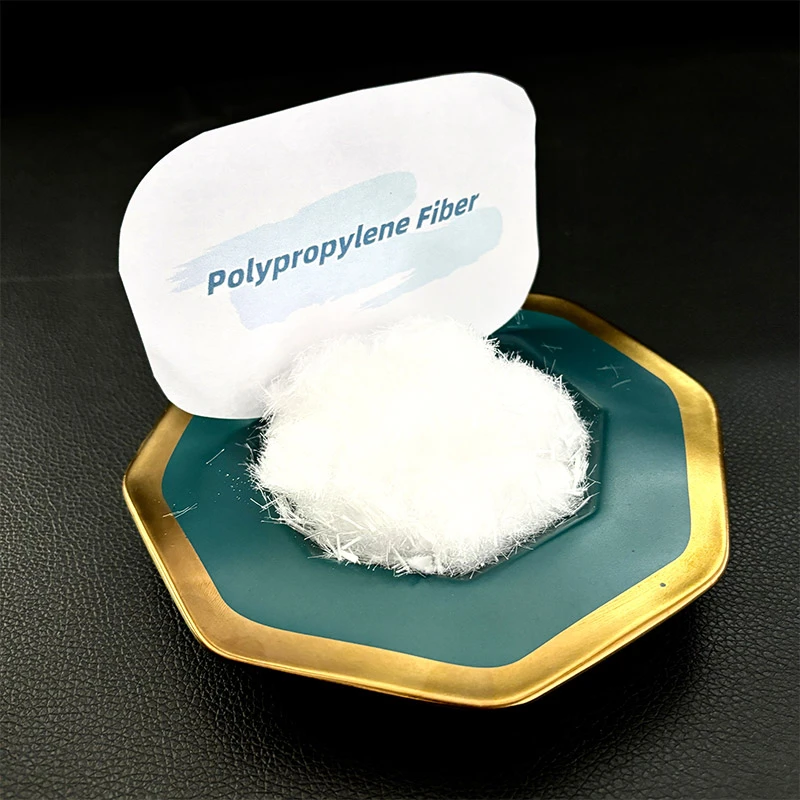
Polyolefin fibers, especially polypropylene fiber , have become increasingly popular in various industries due to their impressive qualities and versatile applications. From textiles to automotive and industrial applications, polypropylene fiber suppliers are capitalizing on the demand for this durable, cost-effective material. But what exactly is polypropylene fiber ? And how does it compare to other fibers in terms of price and quality? In this guide, we’ll take a closer look at polyolefin fiber , particularly polypropylene fiber , and explore its uses, benefits, and pricing, along with insights into where you can find the best polypropylene fiber suppliers . What Is Polypropylene Fiber? Polypropylene fiber, a type of polyolefin fiber , is one of the most widely used synthetic fibers due to its high strength, resistance to moisture, and chemical stability. It is made from the polymerization of propylene monomer and has a low density, making it lightweight and cost-efficient. Polypropylene fiber is often used in textiles, ropes, mats, geotextiles, and nonwoven fabrics. What sets polypropylene fiber apart from other synthetic fibers like polyester or nylon is its excellent resistance to acids, bases, and other chemicals. It also has a relatively low melting point, making it suitable for applications that require heat resistance. Additionally, it is highly resistant to staining and odor, making it a popular choice for use in the medical and hygiene industries. The low moisture absorption makes it an ideal material for manufacturing items exposed to high humidity or outdoor environments. The versatility of polypropylene fiber has allowed it to expand into various industries beyond textiles. It’s commonly found in the automotive sector, where it is used in carpeting, upholstery, and car seat covers. The fiber is also used in packaging materials and food containers due to its excellent chemical resistance and non-toxicity. The Benefits of Polypropylene Fiber The increasing demand for polypropylene fiber across different sectors can be attributed to its numerous benefits. It is lightweight, durable, and relatively inexpensive compared to many other materials. Additionally, polypropylene fiber is highly resistant to wear and tear, making it perfect for items that need to withstand high levels of friction. One of the most significant advantages of polypropylene fiber is its ability to resist moisture absorption. Unlike natural fibers like cotton, which can retain water and lead to mildew or rot, polypropylene fiber remains unaffected by water. This makes it an ideal choice for outdoor and marine applications, including ropes, nets, and outdoor furniture coverings. The material is also resistant to most chemicals, including acids, bases, and solvents. This makes polypropylene fiber an excellent choice for industrial applications where exposure to harsh chemicals is common. For instance, it is widely used in making protective clothing for workers in chemical plants and factories. Moreover, polypropylene fiber is not only durable and resistant to chemicals, but it is also cost-effective. Compared to other fibers, such as nylon or polyester, polypropylene fiber price is relatively low, which makes it an attractive option for manufacturers and consumers alike. This affordability, combined with its robust qualities, has contributed to the rise in its use in industries ranging from healthcare to automotive. Polypropylene Fiber Suppliers and Where to Find the Best Deals As the demand for polypropylene fiber continues to rise, finding reliable polypropylene fiber suppliers becomes crucial for businesses looking to source quality materials at competitive prices. There are several suppliers globally that offer polypropylene fiber for various applications, but it’s essential to choose one that offers a balance of quality and price. When searching for polypropylene fiber suppliers , it’s important to consider factors such as the supplier’s reputation, their range of available products, and their ability to deliver on time. Many suppliers offer polypropylene fibers in different grades, depending on the intended use, so it's essential to select a supplier that provides fibers suitable for your specific needs. Online platforms are an excellent place to start when searching for polypropylene fiber suppliers . Websites like Alibaba, Global Sources, and Made-in-China list various manufacturers and suppliers of polypropylene fiber from around the world. Many of these suppliers provide a range of pricing options, depending on the volume of your order, making it easy to find deals that fit your budget. Furthermore, attending trade shows and industry expos is a great way to connect with potential suppliers and learn about the latest advancements in polypropylene fiber technology. These events often showcase new products and provide opportunities to meet suppliers face-to-face, which can lead to more reliable business relationships. Factors That Affect Polypropylene Fiber Price Understanding the factors that influence polypropylene fiber price is essential when sourcing the material for your business. While polypropylene fiber is generally considered an affordable option, prices can fluctuate depending on various factors, such as raw material costs, production processes, and demand. The price of polypropylene fiber is closely tied to the cost of propylene, the primary raw material used in its production. Changes in the price of crude oil or other feedstocks can impact the cost of propylene and, consequently, the price of polypropylene fiber . Additionally, the production method and technology used by a manufacturer can affect the price. Suppliers using more advanced production processes may offer higher-quality fibers but at a premium cost. Bulk orders can also play a significant role in the overall price of polypropylene fiber . When ordering large quantities, buyers may receive significant discounts, reducing the overall cost per unit. Therefore, for businesses looking to source polypropylene fiber in large quantities, negotiating a bulk order deal with suppliers can be an effective way to lower costs. Another factor influencing polypropylene fiber price is geographical location. Prices can vary depending on the supplier’s region, as transportation and logistics costs can add to the overall cost of goods. Suppliers in regions with more affordable shipping options may offer more competitive pricing, especially for international buyers. Common Applications of Polypropylene Fiber Polypropylene fiber is incredibly versatile and can be used in a wide range of applications across various industries. Its durability, low cost, and resistance to water and chemicals make it an ideal choice for manufacturing productsThe broad range of applications demonstrates why polypropylene fiber continues to be in high demand. Its ability to meet the needs of industries ranging from healthcare to automotive makes it a go-to material for many manufacturers. polypropylene fiber FAQs What is polypropylene fiber? Polypropylene fiber is a synthetic fiber made from the polymerization of propylene monomer. It is lightweight, durable, and resistant to moisture and chemicals. It is widely used in textiles, industrial products, and medical applications due to its affordability and superior qualities. What are the benefits of using polypropylene fiber? Some of the benefits of polypropylene fiber include its resistance to moisture and chemicals, lightweight nature, high durability, and relatively low cost. It’s widely used in textiles, automotive interiors, and medical products due to these advantages. How can I find reliable polypropylene fiber suppliers? To find reliable polypropylene fiber suppliers , it is recommended to search online platforms such as Alibaba or Made-in-China. Attending industry trade shows is another great way to connect with suppliers. Ensure the supplier has a reputation for quality and timely delivery. What factors affect the price of polypropylene fiber? The price of polypropylene fiber is influenced by the cost of raw materials (like propylene), production processes, order volume, and geographical location. Bulk orders and efficient logistics can help lower the overall price. What are some common uses of polypropylene fiber? Polypropylene fiber is commonly used in textiles (like carpets and upholstery), automotive products (such as car seat covers), medical products (like surgical gowns), and outdoor items (such as ropes and mats). Its versatility makes it a popular choice across many industries.
-
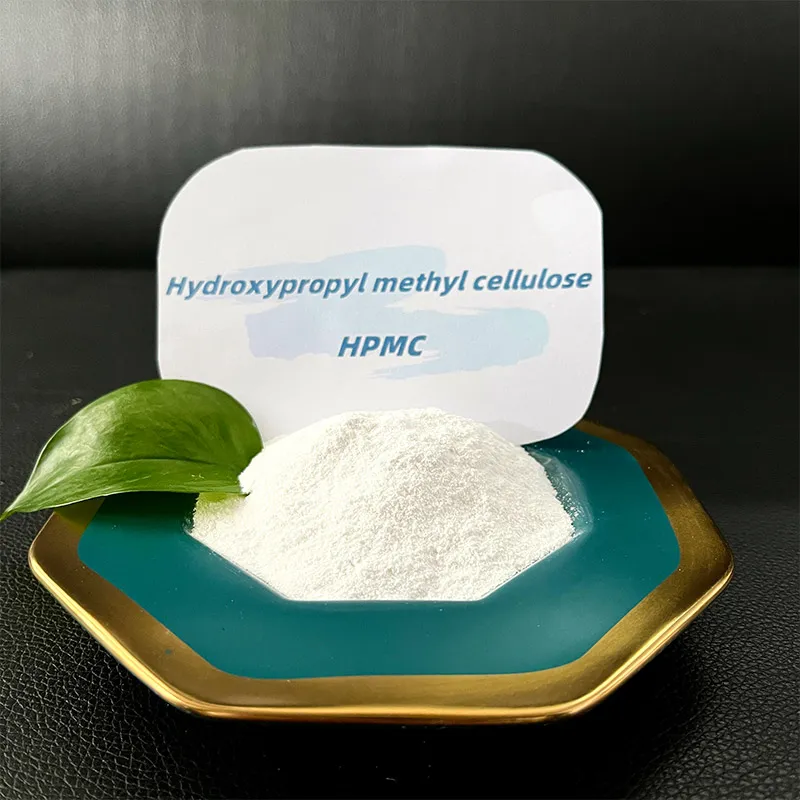
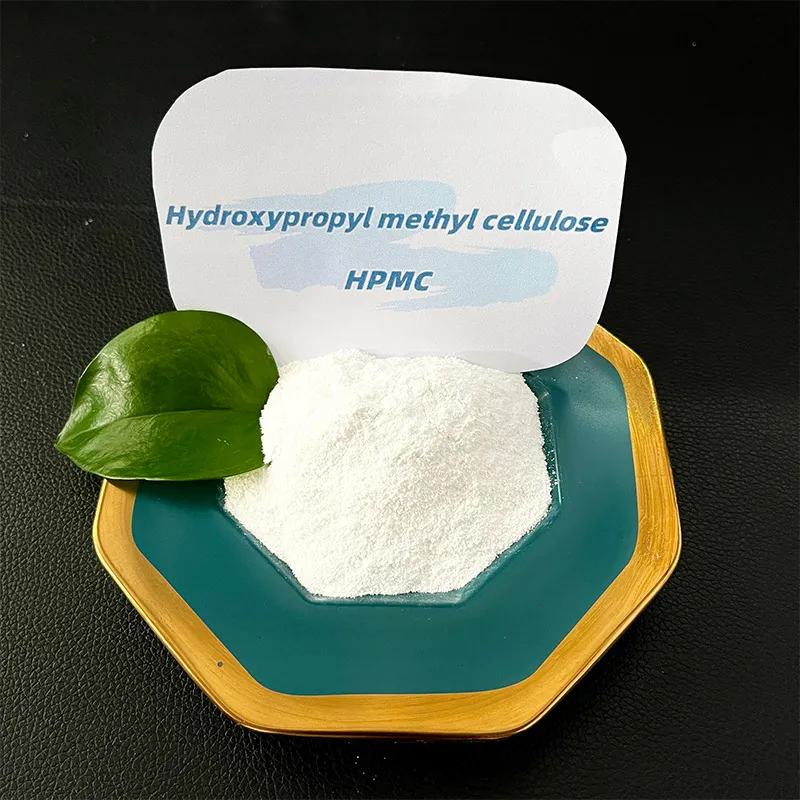
Exploring HPMC E15 A Versatile Excipient in Pharmaceutical Applications Hydroxypropyl Methylcellulose (HPMC) is widely acknowledged in the pharmaceutical industry for its multifunctional properties. Among its various grades, HPMC E15 has gained prominence due to its unique characteristics, making it an essential excipient in various dosage forms. This article delves into the composition, characteristics, applications, and advantages of HPMC E15 in pharmaceutical formulations. Composition and Characteristics HPMC is a semi-synthetic polymer derived from cellulose, a natural polymer found in plant cell walls. The E15 designation refers specifically to a grade with a viscosity of 15,000 centipoise when dissolved in water. This viscosity is conducive for many applications, as it provides a balanced option between solubility and gel-forming ability. HPMC E15 exhibits several critical characteristics, such as high thermal stability, excellent compatibility with a variety of active pharmaceutical ingredients (APIs), and non-ionic nature. This non-ionic behavior makes it an attractive choice for formulations where ionic interactions may affect the stability or solubility of components. Furthermore, HPMC E15 is soluble in cold and hot water, allowing for flexibility in formulation processes. Applications in Pharmaceutical Formulations HPMC E15 plays a multifaceted role in various pharmaceutical applications. One of its primary uses is as a film-forming agent in sustained-release formulations. Due to its gel-forming properties upon contact with moisture, it can control the release profile of APIs, thereby ensuring a prolonged therapeutic effect. This is especially beneficial in developing dosage forms for chronic conditions that require steady medication levels. Moreover, HPMC E15 serves as a thickening agent and stabilizer in suspensions and emulsions. It enhances the viscosity of formulations, preventing sedimentation of solid particles and enabling uniform dispersion. This is particularly crucial for ensuring consistent dosages in liquid formulations. By improving the stability of suspensions, HPMC E15 contributes significantly to the overall efficacy and safety of the product. hpmc e15 In tablet formulations, HPMC E15 functions as a binder and a disintegrant. Its hydrophilic nature allows it to absorb water readily, facilitating the disintegration of tablets upon ingestion. This characteristic is vital for fast-dissolving tablets, where rapid release and absorption are desired. Additionally, HPMC E15 is employed in ocular formulations, as its viscosity and bioadhesive properties help prolong the contact time of the drug with the eye's surface. This is particularly beneficial in treating dry eye syndrome and other ocular conditions, ensuring that the medication remains in contact with the target site for an extended period. Advantages of HPMC E15 The utilization of HPMC E15 in pharmaceutical formulations offers several advantages. Firstly, its wide-ranging solubility makes it suitable for a variety of formulations, catering to the diverse needs of patients. Secondly, its biodegradable nature aligns with the growing demand for sustainable excipients in pharmaceutical manufacturing. Furthermore, HPMC E15 is generally regarded as a safe compound, with minimal toxicity associated with its use. This safety profile encourages its adoption in various pharmaceutical applications, ranging from over-the-counter medications to prescription drugs. Lastly, HPMC E15 allows for enhanced patient compliance. The formulations utilizing HPMC tend to exhibit improved mouthfeel and taste masking properties, which contribute to a better overall experience for patients. Conclusion HPMC E15 stands out as a versatile excipient in the pharmaceutical industry, demonstrating significant benefits across various applications. Its unique properties and advantages make it an essential component in the development of effective, safe, and patient-friendly formulations. As the pharmaceutical landscape continues to evolve, the importance of reliable excipients like HPMC E15 will remain paramount, ensuring that patients receive optimal therapies tailored to their specific health needs. The ongoing research and development of HPMC E15 promise to unveil new potentials, driving innovation in pharmaceutical formulations for years to come.
advantages
-

200000 Viscosities
Excellent product
We can produce pure products up to 200,000 viscosities
-

40000 tons
High yield
We don’t stop production all year round, and the annual output can reach 40,000 tons
-

24 hours
Quality service
We provide 24-hours online reception service, welcome to consult at any time
———— Inquiry Form
Schedule A services

-
 bei_ya_methylcellulose
Oct . 25, 2025
Polypropylene fiber is a versatile, durable material that is used in a variety of applications acros -
 clear_polymer_powder
Oct . 25, 2025
Hydroxypropyl methylcellulose (HPMC) is an intriguing compound that has carved its niche in the prod -
 qu_est-ce_que_la_cellulose_du_bois
Oct . 25, 2025
Understanding HPMC and Its Melting Point Characteristics Hydroxypropyl Methylcellulose (HPMC) is a v


